Throttle Outlaws
Developed by Optizord AI & Tech for Wizlockie Creations
An original browser-based driving project. Explore racing action and the current playable build.
Explore the interactive games we have built, practical AI experiments we are documenting, and the creative and technical capabilities behind our work. Commercial services are currently paused.
From playable projects to practical experiments, explore verified work rather than a list of claims.
Explore Throttle Outlaws and Circuit Rivals in your browser.
See playable projects → For enthusiasts & developersLearn what worked—and what was slow—on actual hardware.
See technical findings → For collaboratorsShare a research or project enquiry without assuming service availability.
Contact Optizord →Selected games developed by Optizord AI & Tech for Wizlockie Creations, with browser access hosted here by permission. Explore the projects, play available builds or review our technical approach.
Move your pointer across a project card to explore its depth. On touch devices, the cards remain steady for easier reading.
Android versions of selected projects and additional apps are planned for release through Wizlockie Creations on Google Play. No launch date or confirmed store listing is available yet.
Developed by Optizord AI & Tech for Wizlockie Creations
An original browser-based driving project. Explore racing action and the current playable build.
Developed by Optizord AI & Tech for Wizlockie Creations
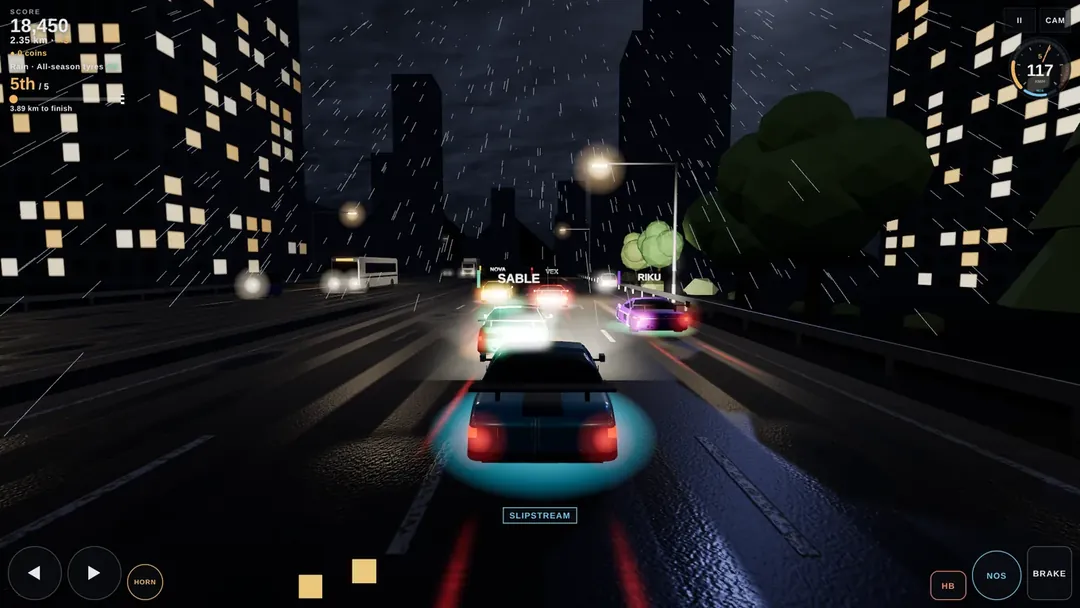
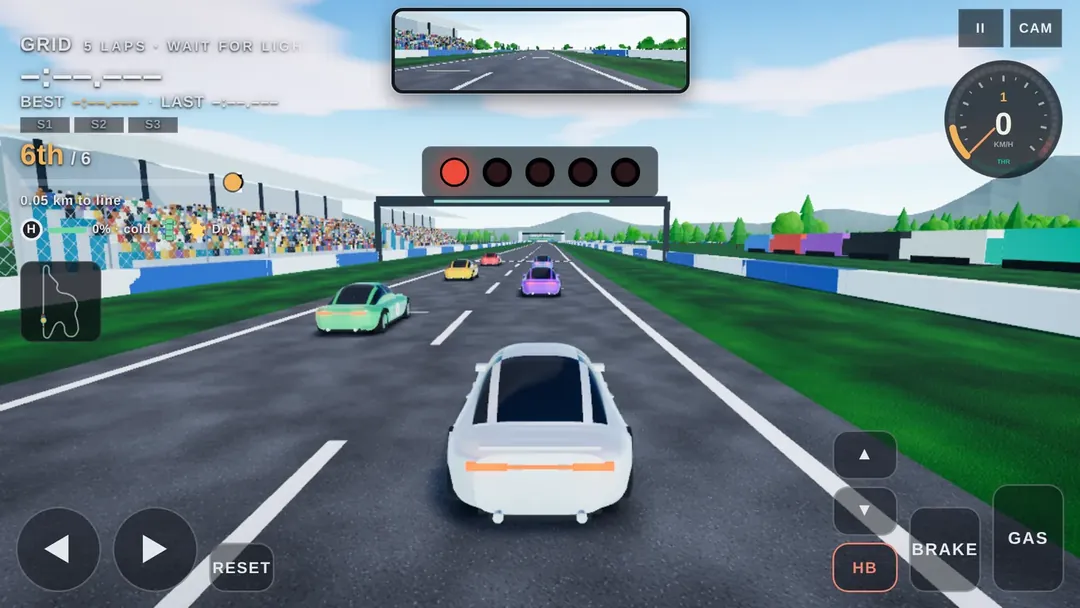
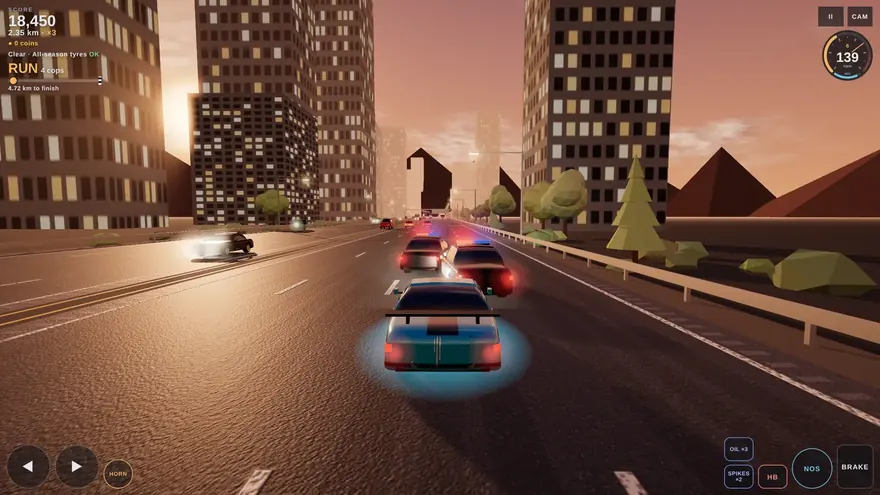
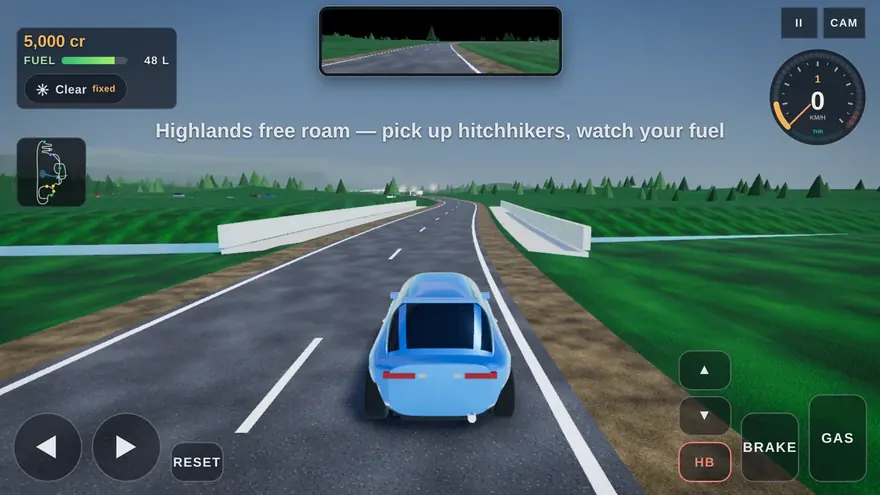
A developing 3D racing experience exploring driving challenges and interactive environments; features continue to evolve.
Project promotional graphics supplied for this showcase. Developed by Optizord AI & Tech for Wizlockie Creations; gameplay and current builds may differ.
Exploring an interactive way to learn camera angles, cinematic shot composition and AI prompting for animated storytelling. This is a developing concept, not a released game.
Additional projects developed by Optizord AI & Tech for Wizlockie Creations. These project pages are currently hosted here with permission; features and availability may vary.
Developed by Optizord AI & Tech for Wizlockie Creations
Explore an animation-focused learning project covering visual storytelling, directing and creative techniques.
Explore Academy ↗Developed by Optizord AI & Tech for Wizlockie Creations
Discover the Cash Control project and its tools for organizing and understanding cash-related information.
Explore Cash Control ↗Developed by Optizord AI & Tech for Wizlockie Creations
Visit the WizAudio page to explore its online radio and audio-listening experience.
Explore Online Radio ↗Our development work includes client browser games, interactive learning experiences, AI-assisted media experimentation and practical software engineering. We evaluate tools and workflows through hands-on projects rather than promising results before they are proven.
Recent work includes games and practical apps developed for Wizlockie Creations, as well as AI-assisted production experiments. Explore our active projects and technical findings below.
Exploring AI-enabled workflows, visual storytelling, games, apps and modern web technologies while documenting lessons and practical constraints.
Hands-on engineering experiments with real hardware, AI-assisted creative workflows, connected systems and original games. Outcomes below are reported observations, not independently verified benchmarks or commercial service claims.
Configured ComfyUI on an RTX 4060 gaming PC (16 GB system RAM) for a reported locally executed MiniMax H3 video workflow. Produced 5–15-second clips at a reported direct 1080p output, taking approximately 10–20 minutes per clip. Reference images and video supported consistency across assembled sequences. Also experimented with sound effects, music and voiceovers.
Used Ollama with lightweight Qwen-family models on Intel Pentium dual-core and Core i3 computers without dedicated GPUs. Text generation functioned; one observed response on the Core i3 took approximately a minute and the Pentium took longer. Image, video and audio generation were not practical on those systems.
Explore the implementation methods, practical results, limitations and next verification steps. These are reported first-hand experiments; detailed workflows and independent measurements are not yet public.
Setup: ComfyUI on an NVIDIA RTX 4060 gaming computer with 16 GB system RAM. The experimenter reports executing MiniMax H3 entirely locally, producing 1080p outputs directly without a separate upscale step. This deployment detail has not been independently validated using workflow files or output metadata.
Workflow: Used facial, hand, leg, front, back and side reference images, alongside reference video, to guide character appearance across individual 5–15-second shots. Short shots were assembled into sequences around five minutes long. Audio experiments included SFX, music and voiceovers.
Observed: Approximately 10–20 minutes per generated clip; one concurrent generation at a time. Longer generation attempts sometimes crashed. Character consistency was informally estimated at around 95%, without a standardized measurement method.
Next evidence: Sanitized ComfyUI graph, exact node/model version and execution path, exported 1080p sample metadata, GPU VRAM usage and a documented continuity evaluation.

Setup: Ollama runtime with lightweight Qwen-family text models on Intel Pentium dual-core and Intel Core i3 computers without dedicated graphics cards. Several lightweight model configurations were tried; exact identifiers were not retained for publication.
Observed: Functional local text inference, but slow response generation. An approximate one-minute response was observed on the Core i3; the Pentium took longer. Image, audio and video generation were not practical on these machines.
Next evidence: CPU/RAM specifications, model sizes, quantization, prompt length, first-token latency and measured tokens/second.
Architecture: Created a custom connector arrangement using Python, Node.js and local APIs, with Claude Code assisting the implementation. The experiment investigated communication among local AI models, ChatGPT and Claude to coordinate content-related tasks.
Distribution: Developed automated publishing workflows for Facebook, Instagram and YouTube using APIs and third-party posting technologies. This describes a tested integration approach, not a claim of uninterrupted or fully autonomous operation.
Constraints: AI-service usage limits, orchestration reliability and external platform dependencies affected sustained operation.
Next evidence: A credential-free architecture diagram, example job lifecycle, approval/error-recovery process and publicly shareable logs.
Projects: Throttle Outlaws and Circuit Rivals.
Process: Human-defined game ideas and design direction informed architecture produced with ChatGPT. Claude Code assisted with implementation; the actual builds were evaluated on devices and refined through gameplay testing.
Challenges: Vehicle/game physics required iteration and correction. Character continuity in generative media also needed repeated reference tuning. These were solved through testing and refinement rather than a one-prompt workflow.
Next evidence: Versioned change logs, gameplay comparisons, device compatibility notes and short technical explanations of corrected physics issues.
The outcomes above are experimenter-reported. The ComfyUI workflow path and direct 1080p MiniMax H3 generation claim still need verification using exported node settings and sample media metadata. We have not published repeatable throughput, reliability or standardized quality benchmarks.
Next documentation step: capture a sanitized ComfyUI workflow, model configurations, hardware memory use, generation logs and representative outputs.
These reports describe first-hand experiments, not third-party benchmarks. Further technical specifications and reproducible measurements will be published when available.
A transparent overview of capabilities we have offered before and technologies we are exploring for potential future offerings.
Work areas previously included in our creative, web and digital service portfolio.
AI video advertisements, spokesperson and avatar videos, social media reels, promotional videos, voiceovers, image generation, creative concepts and product mockups.
Business websites, responsive landing pages, AI-assisted static websites and hosting, content updates, website maintenance and technical improvements.
Search-engine optimization, answer-engine and generative-engine discovery work, content strategy, social media campaigns, performance advertising and reporting.
Logo design, social posters, product visuals, marketing creatives, digital branding and campaign-oriented design assets.
Conversational assistants, enquiry workflows, practical business automations and AI-tool integration concepts.
Keyword and content research, YouTube and publicly available social content research, campaign measurement, performance insights and digital analytics.
These are research and development directions. Scope, launch dates and commercial availability have not been announced.
Local LLM deployment, private document assistants, offline-first knowledge tools and device-aware AI implementation.
Agentic workflows, human-supervised AI operations, multi-step task automation, API integrations and workflow orchestration.
Local image and video generation, reproducible media pipelines, creative tooling and production workflow experimentation.
Browser and mobile applications, interactive learning experiences, games, prototyping and AI-enhanced development workflows.
Evidence-led SEO, AEO and GEO approaches, structured content, technical optimization and search visibility experiments.
Feasibility studies, technology evaluation and prototype exploration involving local models, automation and generative tools.
Optizord AI & Tech is an independent technology and creative innovation brand based in Kerala, India, with an international outlook. Its work spans browser games, interactive software, creative technology and hands-on AI experimentation.
Interactive projects: browser games and educational software concepts.
AI experiments: local models, generative workflows, agents and automation research.
Experience archive: website, creative and marketing services previously offered, with commercial availability currently paused.
Clear information about what is available today and what remains in development.
Throttle Outlaws and Circuit Rivals have browser-game links in Current Highlights. Optizord developed these projects for Wizlockie Creations, and hosts the browser pages with permission. Android releases and other apps are planned through Wizlockie Creations on Google Play; verified store links will be added when available.
Optizord AI & Tech developed the featured projects for Wizlockie Creations. Access to selected games, related project pages and applicable privacy policies is hosted here temporarily with permission. Android publishing information will be linked when the respective Play Store listings become available.
No. Regular commercial AI, web, creative and marketing services are currently paused. No date has been confirmed for their return.
Areas being explored include local language models, local AI video generation, agentic AI and intelligent automation. Earlier hands-on experiments include ComfyUI on an RTX 4060 system and local LLM text generation on older Intel CPUs.
Yes. Email optizordai@gmail.com with the topic and relevant details. An enquiry does not imply commercial availability or a commitment to take on work.
Have a question about a playable project, a technical experiment or a potential future collaboration? Choose the most relevant enquiry type. Standard commercial services remain paused.
Tell us what you are interested in. This form opens your email app with a prepared message; it does not upload your details or promise service availability.
Or email us directly at optizordai@gmail.com